
Wavewurk logo
Get an Assessment
Acoustic Emission Testing

Detect early. Decide with confidence.

Acoustic Emission Testing for suitable tanks, vessels and structures. Locate acoustic activity under defined test conditions and focus further inspection—with reduced preparation where the application allows.
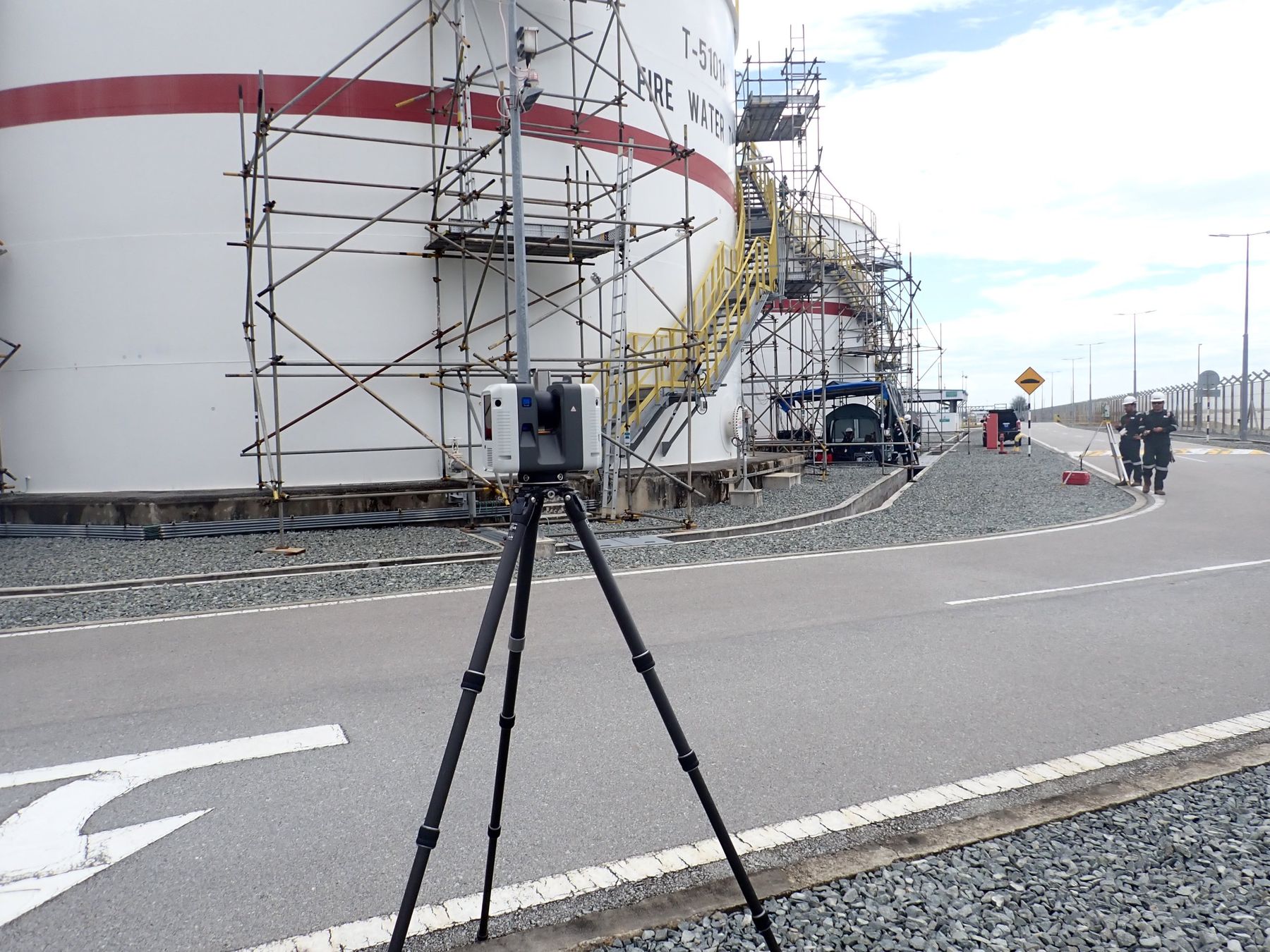
High-Resolution 3D Scanning

Measure the shape of structural risk.

Industrial 3D scanning, dimensional surveys and deformation assessment that reveal shell bulging and distortion through precise geometric mapping.

Digital Twin & Asset Intelligence

From wave to asset intelligence.

AE indications and 3D survey data in one dashboard: mapped acoustic sources, geometric deviations, inspection records and trends over time.

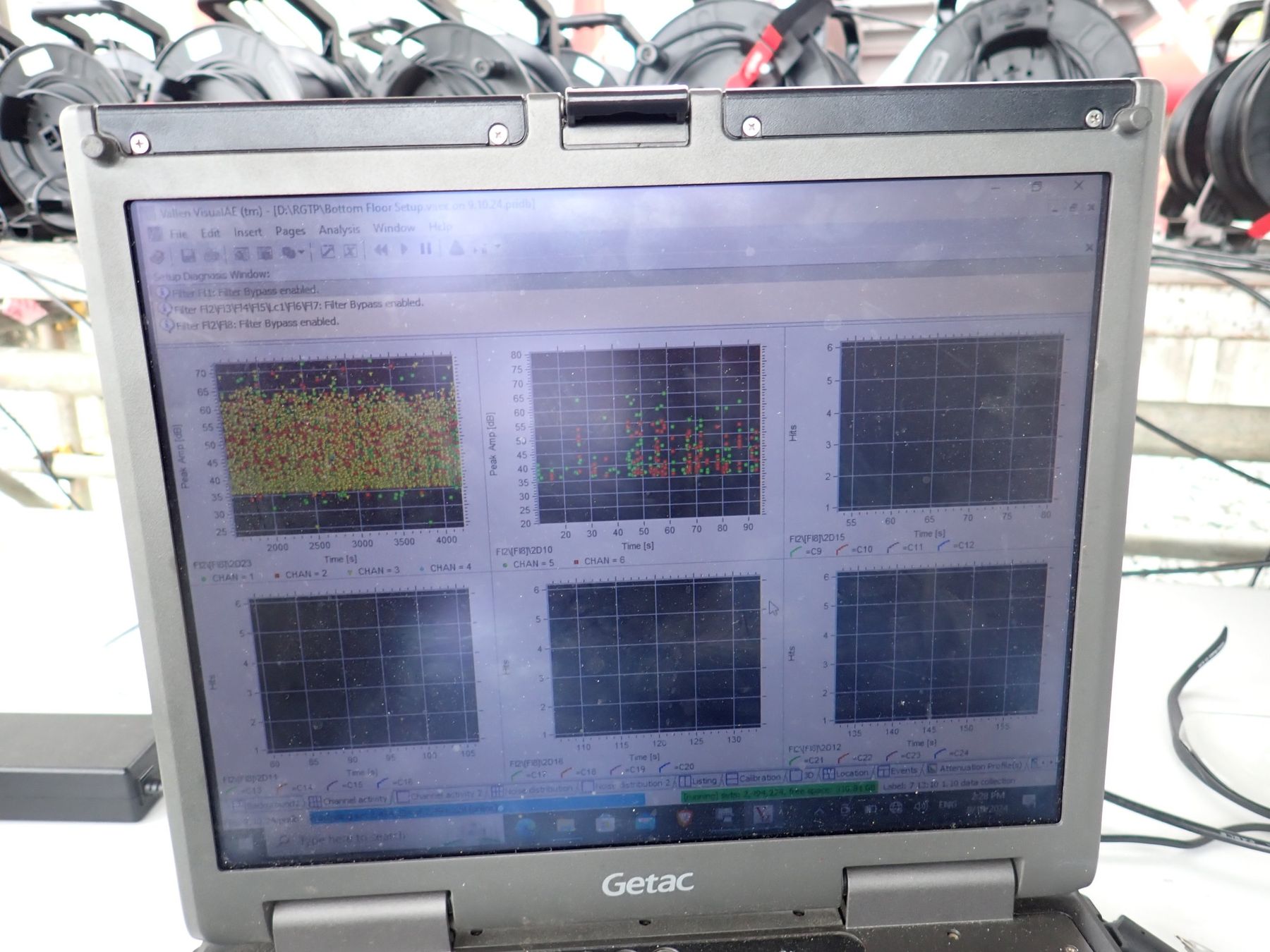
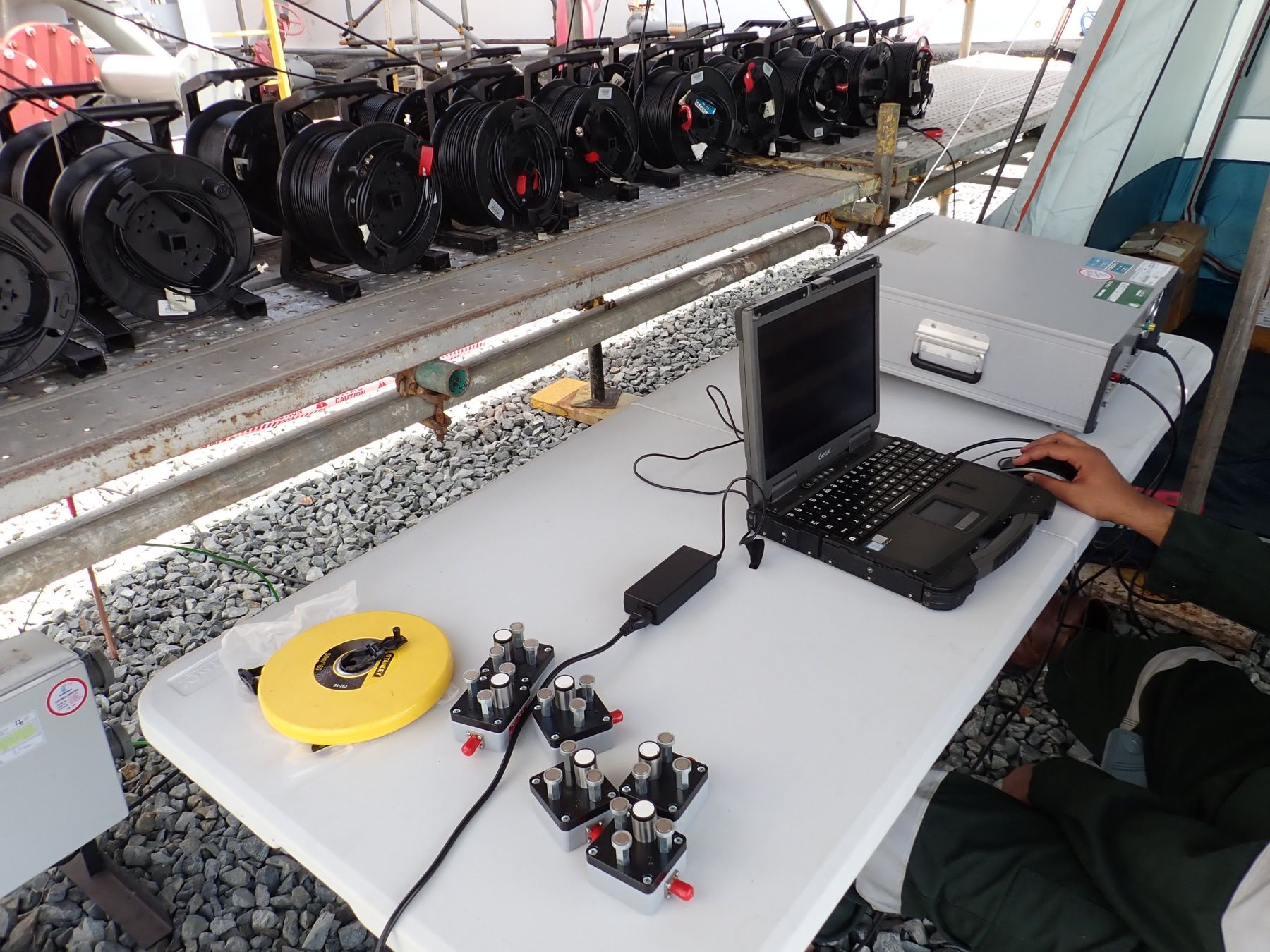
Wavewurk Acoustic Emission acquisition setup with sensor cable reels and rugged field laptop on site
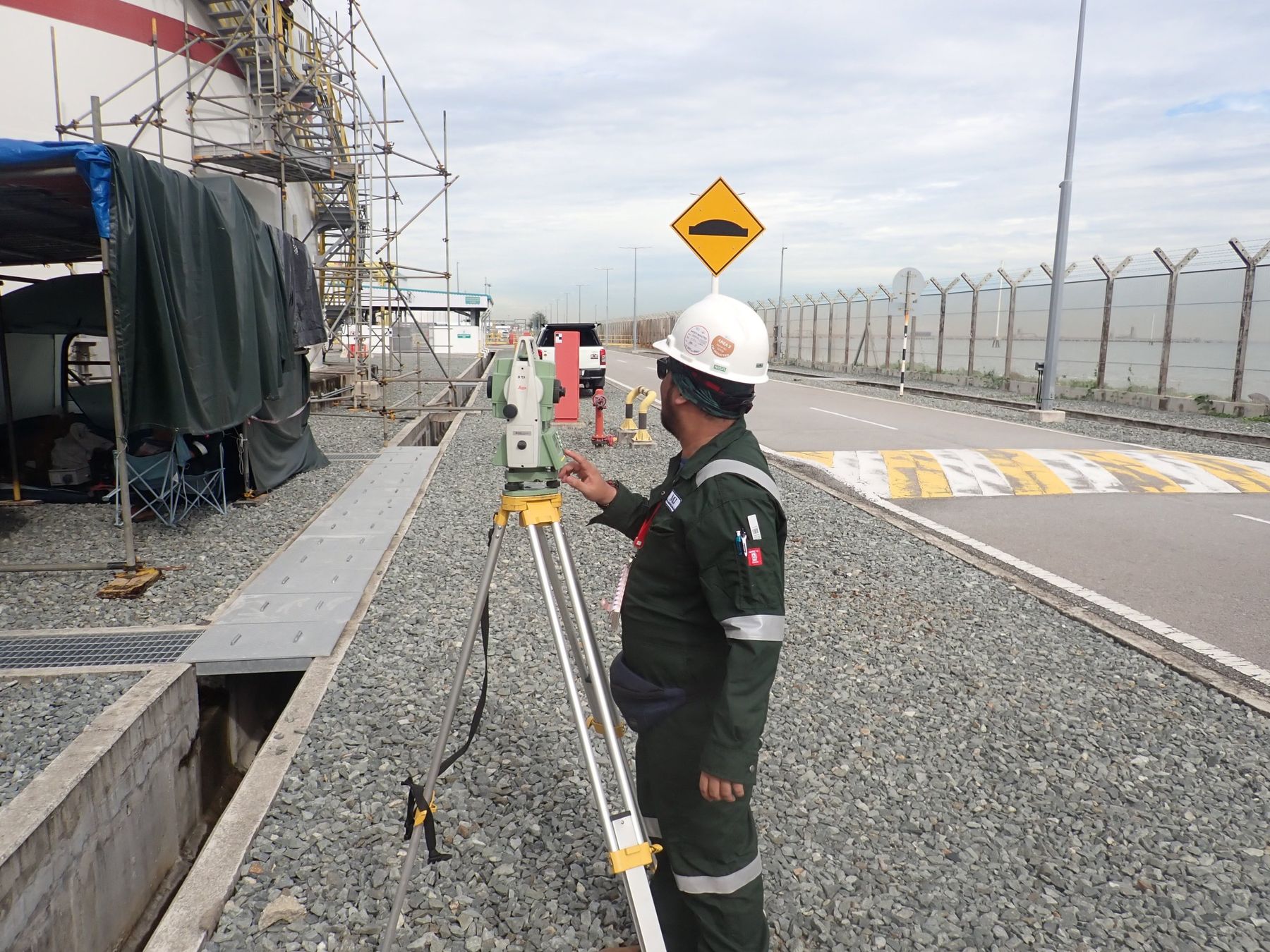
Wavewurk surveyor operating a total station beside a storage tank
Who we are

Advanced NDT, built for the decisions that follow.

Wavewurk Sdn Bhd is a Malaysian Advanced Non-Destructive Testing (NDT) company, established in 2026, that helps asset owners understand the condition of critical equipment and plan maintenance with better information.

We combine Acoustic Emission Testing (AET), industrial 3D surveying and a Digital Twin dashboard. Together, these tools help engineers review recorded acoustic activity, compare measured geometry with reference data and prioritise follow-up inspection.

Our vision

To be a trusted partner in advanced inspection and asset intelligence, helping industry make informed, cost-effective decisions on structural integrity.

Our mission

To deliver reliable inspection information by integrating Acoustic Emission, 3D digital mapping and condition monitoring, so that clients can plan maintenance with confidence, use resources efficiently and reduce avoidable disruption.

Core expertise

Four disciplines. One picture of your asset.

From the first sensor on the shell to the digital twin on your screen.

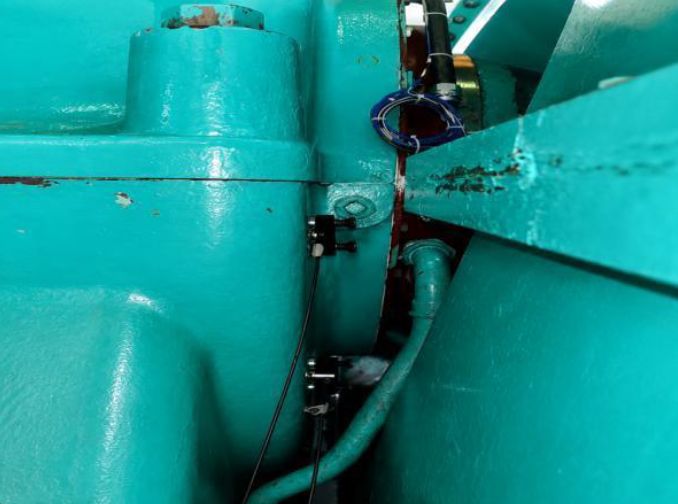
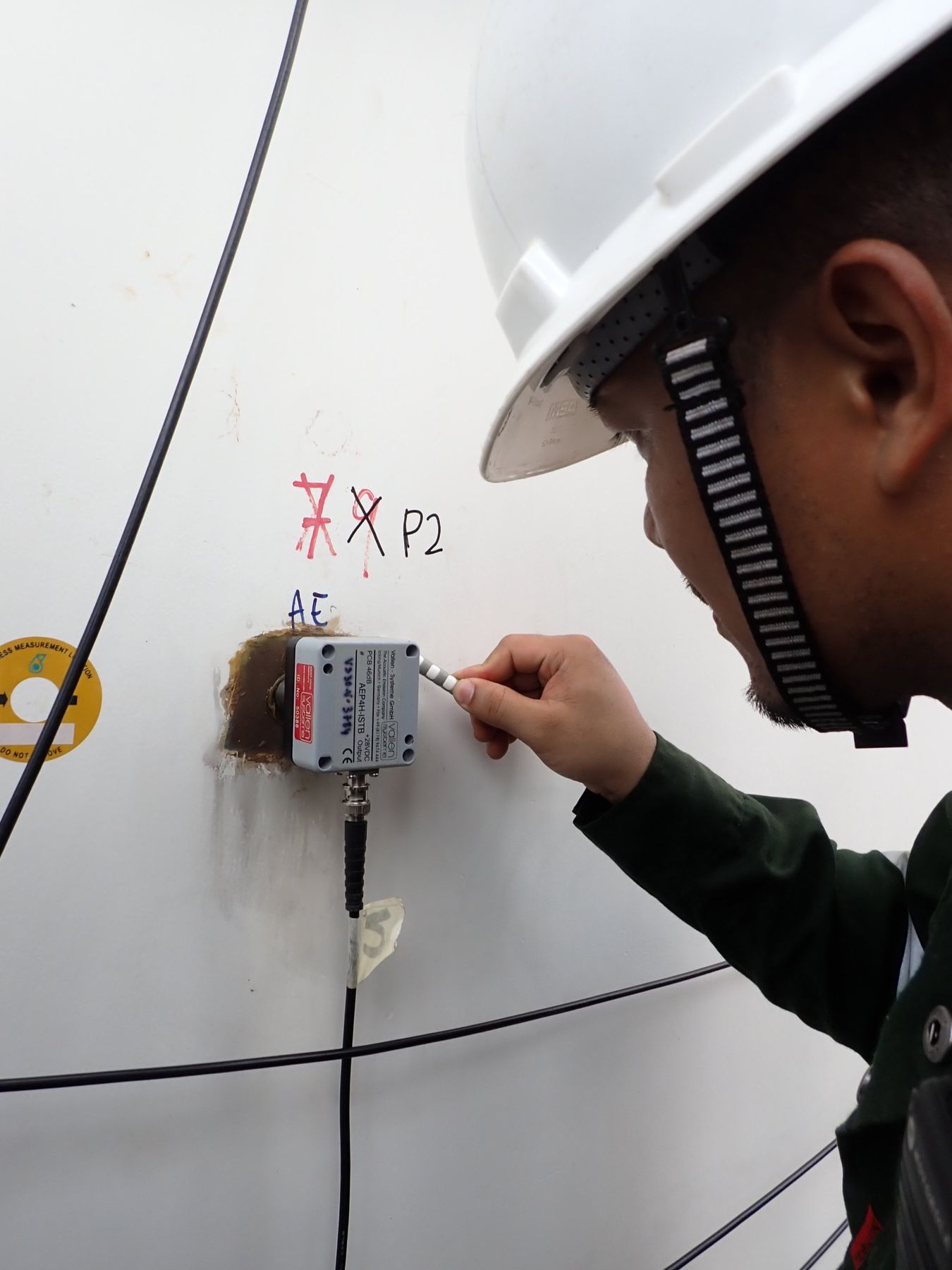
Technician fitting a Vallen AE sensor to a tank shell

Non-intrusive AE assessment of suitable assets under defined test conditions. Recorded acoustic activity and estimated source locations help identify indications that warrant further investigation.

Selected tank-floor and shell applications
Procedure-based AE source evaluation
Vallen acquisition systems and sensors

AET applications

Acoustic Emission Testing — where it fits.

AET can assess acoustic activity across instrumented regions of suitable tanks, vessels, pipelines and composite structures. Coverage, preparation and test conditions are defined for each application.

AE sensors mounted on industrial equipment
Ask if AET suits your asset Read the technical FAQ →

For suitable liquid-filled tanks, externally mounted AE sensors can help assess activity associated with floor corrosion. The contents may remain in place, while filling, draining and other noise-producing operations may need to pause during measurement.

FAQ →

Acoustic Emission results

Locate acoustic activity. Focus the next inspection.

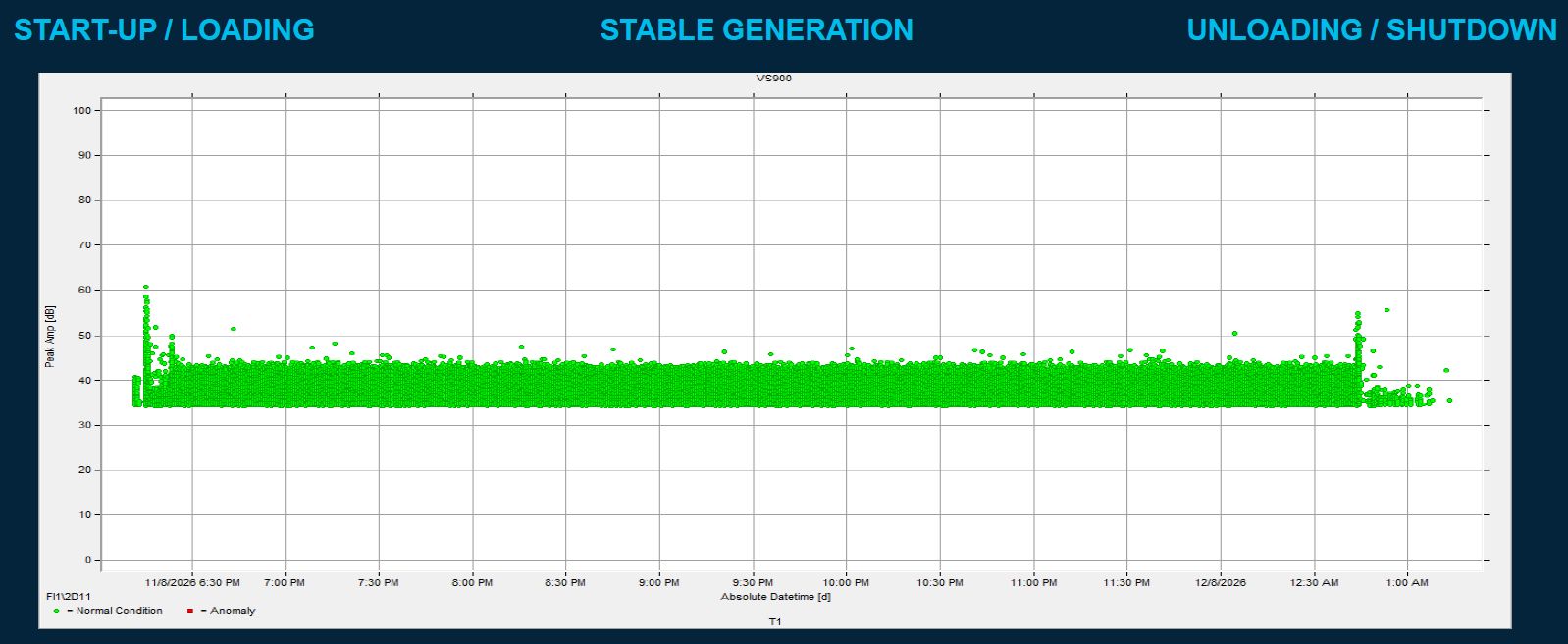
AE sensors record acoustic activity during defined test conditions. Engineers evaluate signal characteristics, activity trends, source-location estimates and loading history to identify indications requiring further investigation.

Amplitude band: ≤ 45 dB > 45 to 65 dB > 65 dB — Amplitude is one of several evaluation parameters.

Illustrative amplitude bands—not a defect-severity scale.

Animated illustration of typical AE location output. Real client results are shown in our case studies.

How to read AE results →
TANK FLOOR · 2D LOCATION ILLUSTRATIVE
ACTIVITY BY QUADRANT Q1–Q4 are the four quadrants of the floor plan. Each bar counts the located AE events plotted in that quadrant.
Q1
Q2
Q3
Q4
PLOTTED EVENT DISTRIBUTION Located AE activity can identify areas for further investigation. This illustration is not project data.
CUMULATIVE LOCATED EVENTS ↗ A steeper cumulative-event trend indicates a higher recorded event rate. Engineers review the trend alongside loading conditions, noise and source-location evidence before deciding on further investigation.

How AE findings are assessed

Assessment focusWhat engineers reviewPurpose
Recorded activity Signal characteristics, trends and examination conditions Establish what the measurement supports
Source location Estimated position, propagation assumptions and location uncertainty Define an appropriate investigation area
Follow-up Applicable procedure, other inspection evidence and engineering review Determine justified next steps

This is an overview of the review process, not an acceptance scale or fitness-for-service assessment.

Digital Twin & asset intelligence

Every finding, mapped onto the asset.

We combine located AE indications, 3D survey results and inspection records in one dashboard—helping engineers review geometric deviations, compare baselines and plan follow-up work.

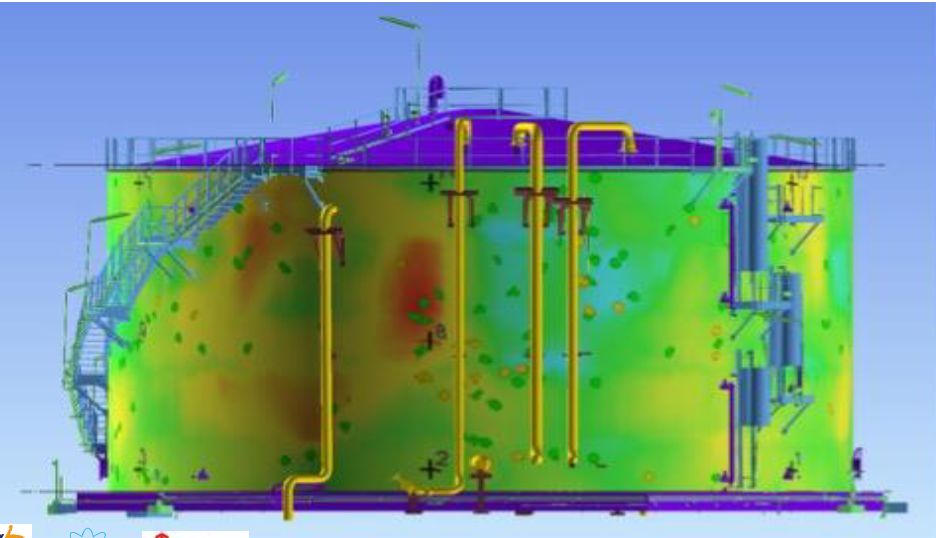
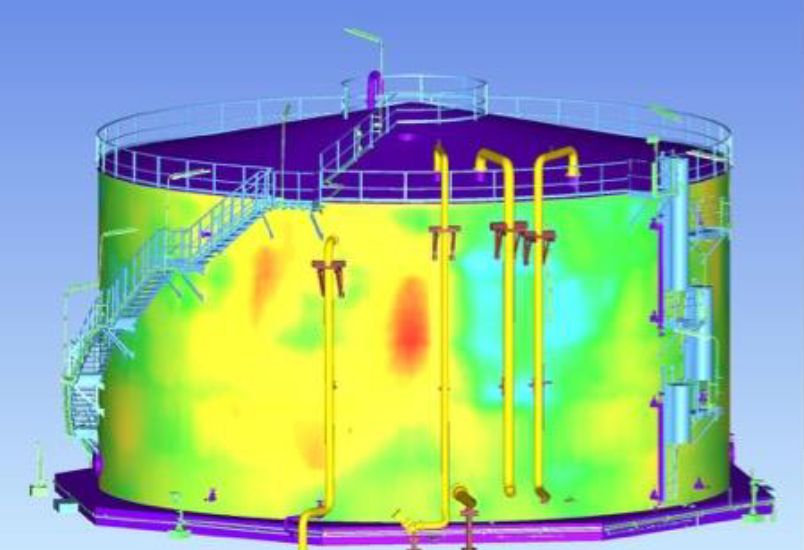
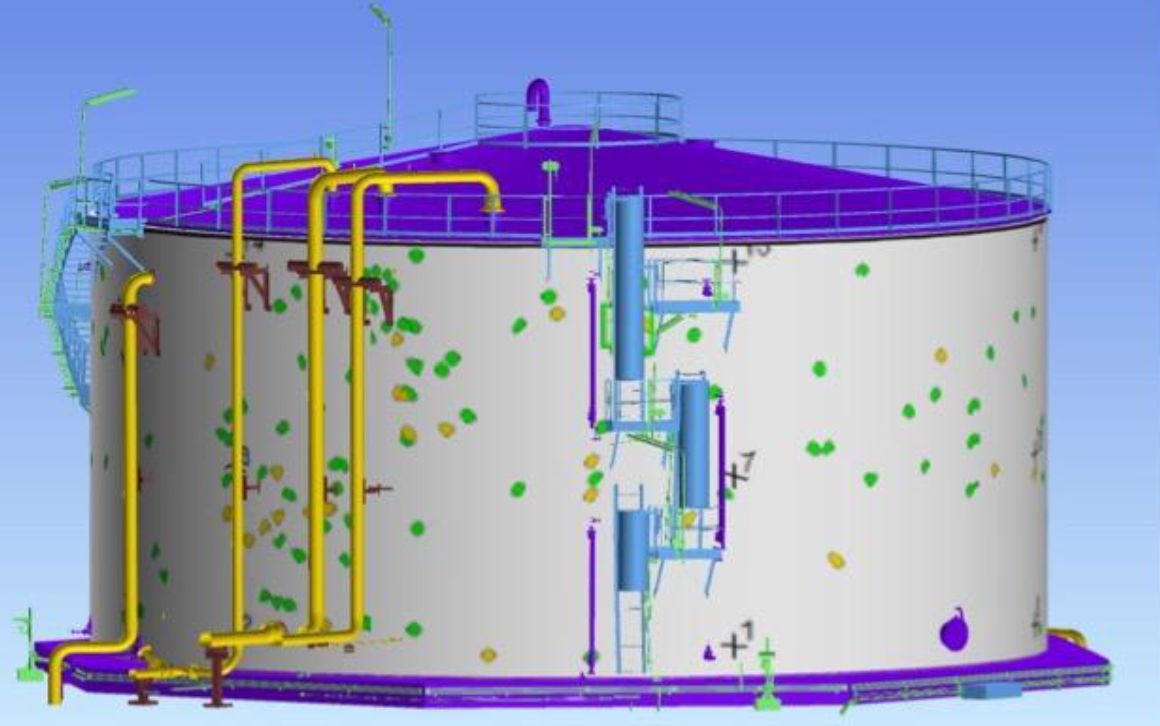
Tank 3D model with a geometric-deviation heatmap Tank 3D model with estimated AE source locations Tank 3D model combining the geometric-deviation heatmap and AE source locations REAL PROJECT OUTPUT · FIREWATER TANK, PENGERANG
Interactive 3D Digital Twin

Turn the tank. See the findings.

Rotate the model, switch between shell and floor views, and explore available 3D survey and AE indication layers.

VIEW
LAYERS · COMBINE FREELY
Higher located-event density Lower located-event density
InwardNominalOutward bulge
Loading 3D model…
ILLUSTRATIVE · TANK SHELL Drag to rotate

AE indications represent recorded acoustic activity, not confirmed defects. Little or no detected activity does not prove an absence of damage. The geometric-deviation heatmap compares measured geometry with a reference; it is not a wall-thickness map.

How we create value

Inspect in service. Spend where it matters.

Minimise downtime & inspection costs

Where the asset and test method allow, AET can reduce the need for draining, product transfer and intrusive access. Operational restrictions and follow-up examinations may still be required.

Support risk-based inspection & maintenance planning

Inspection findings can support risk-informed maintenance planning and, where applicable, submissions for revised inspection arrangements, subject to the relevant engineering assessment and regulatory acceptance.

Monitor critical assets awaiting repair

Where repair cannot take place immediately and continued operation has been justified, AE monitoring can support an agreed integrity-management plan. Review criteria and response actions are defined in advance. Monitoring does not replace required repair or inspection.

Optimise asset life-cycle costs

Combine inspection findings, activity trends and asset history to prioritise follow-up work and plan maintenance expenditure more effectively.

Multi-channel AE acquisition during a periodic tank floor assessment, Pengerang
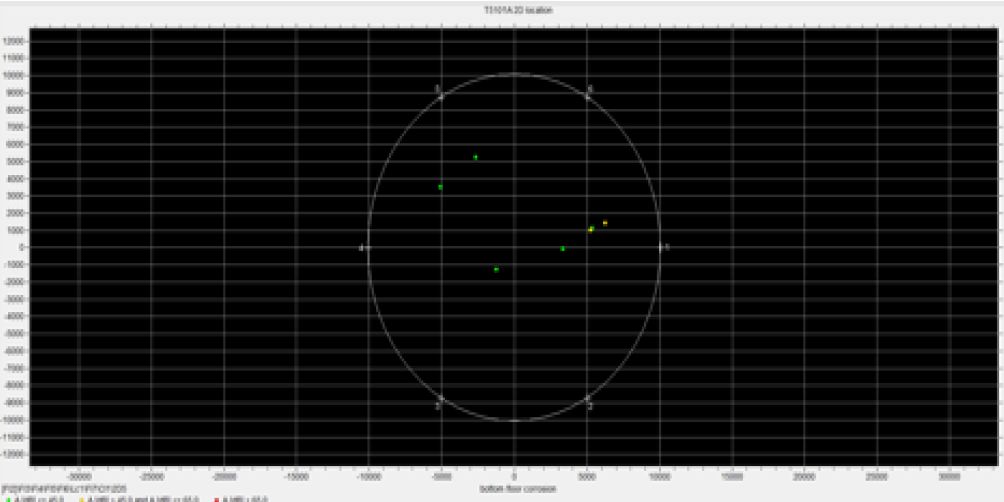
Tank floor AE location plot, Tank T-5101A (as exported)
Online monitoring — available on requestSensors can remain installed for an agreed monitoring period. Data-review frequency, notification criteria and response arrangements are defined during the preliminary assessment.
Technician mounting a Vallen AE sensor on a storage tank shell
OUT-OF-SERVICE EXPOSURE CHECK

What does taking a tank out of service cost you?

Enter your own figures to estimate what one conventional internal inspection costs you. Nothing is saved or sent unless you choose to add it to an enquiry.

Total days the tank is out of service for one internal inspection.
Your own estimate of the cost of lost operation or throughput each day.
Moving product out and holding it elsewhere. Your own estimate — leave blank if unknown.
Your own estimate — leave blank if unknown.
Check AET suitability

Indicative only, based on the figures you enter; it is not a quotation, market rate or guaranteed saving. Suitability depends on the asset, its operating conditions and the inspection objectives, and any change to inspection arrangements remains subject to engineering assessment and regulatory acceptance.

How we work

From first site visit to engineering report.

  1. Site visit

    We walk the asset with your team to understand access and operating constraints.

  2. Technical discussion

    We agree the inspection objectives and the information you need for your decision.

  3. Preliminary assessment

    We confirm which methods suit the asset, its history and its operation.

  4. Inspection planning

    Sensor layout, test window, scan plan, safety and site logistics agreed with your team.

  5. Field execution

    AE examinations by personnel qualified for their assigned duties, with appropriate supervision and technical review. Industrial 3D surveys by personnel competent in the selected equipment and workflow.

  6. Engineering reporting

    Clear findings, classified indications, mapped results and follow-up recommendations.

German-engineered Acoustic Emission, applied in Malaysia.

Wavewurk works in partnership with Vallen Systeme GmbH, Germany, as our principal Acoustic Emission technology provider — acquisition systems, sensors, preamplifiers and VisualAE™ analysis software.

Level I & II
In-house AE personnel
Level III
Collaborating specialists for advisory
Research-backed
Malaysian Nuclear Agency specialists & university researchers
FREE DOWNLOAD · PDF

Get the Wavewurk service catalogue.

AET, 3D scanning, Digital Twin and, on request, online monitoring — with methods, deliverables and typical applications, in one document for your team.

Request a site assessment

Detect early. Decide with confidence.

Tell us about the asset. We provide site visits, preliminary technical assessments, inspection planning, on-site execution and engineering reporting — throughout Malaysia and internationally.

RM35, Jalan Rembia Hub 1, Taman IKS Rembia Hub,
78000 Alor Gajah, Melaka, Malaysia

Thank you — request received.

Our team will contact you to discuss the asset and next steps. We have also e-mailed you an acknowledgement.

Send another request
Asset details (optional — helps us scope faster)